The different Arduino Uno types
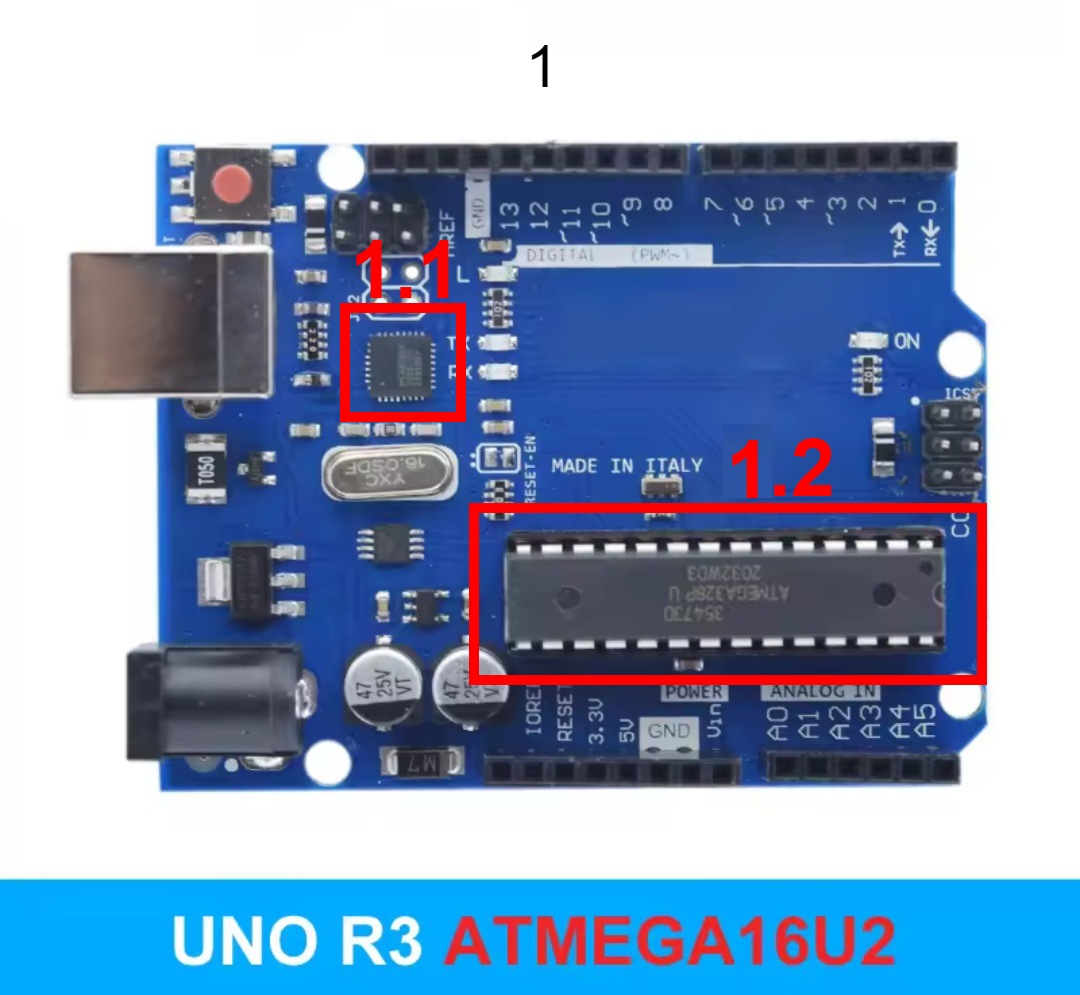
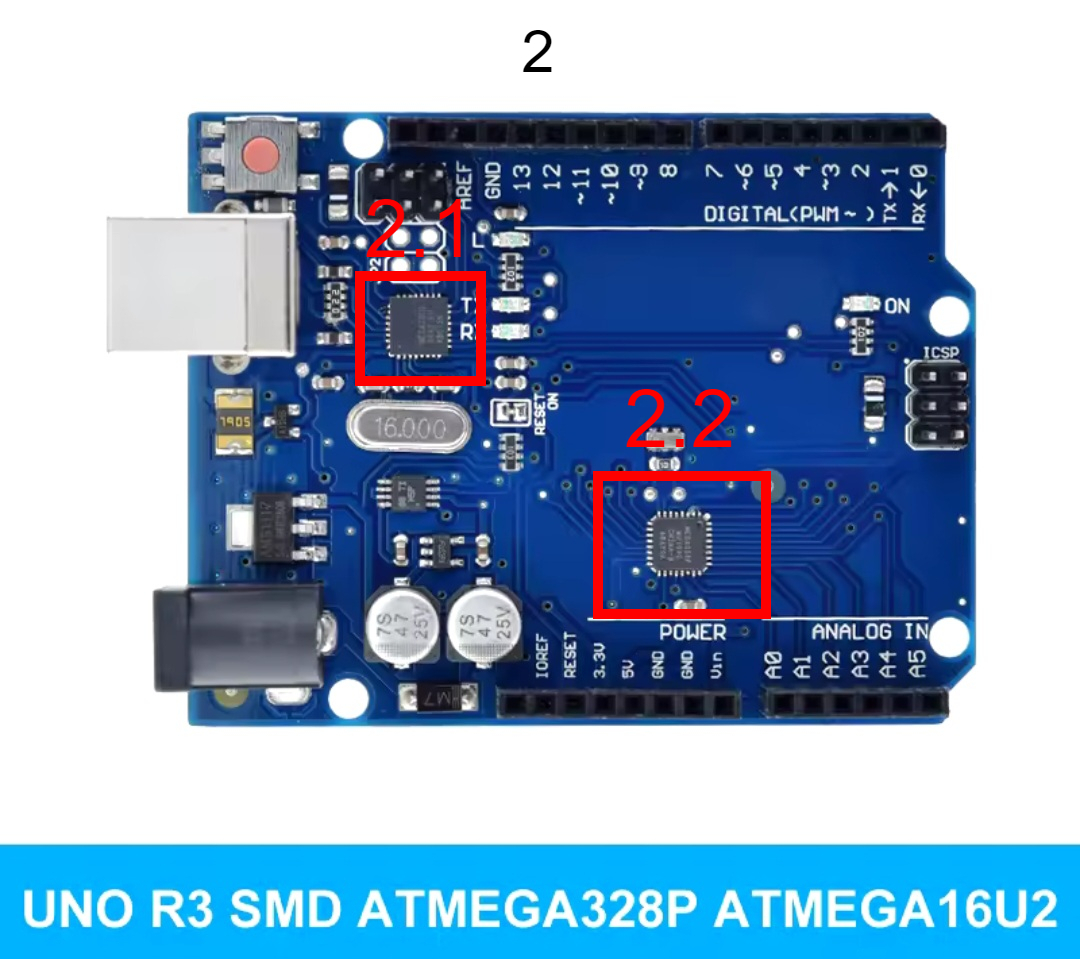
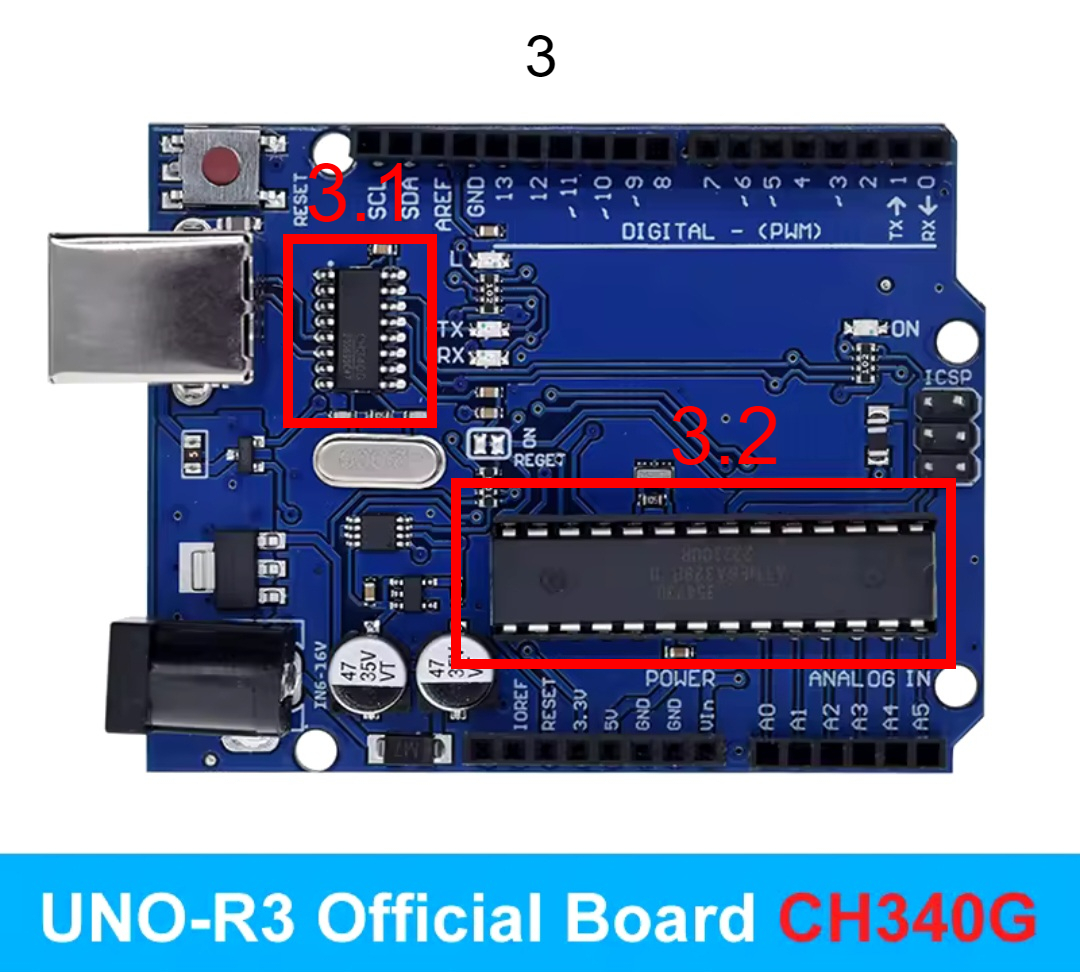
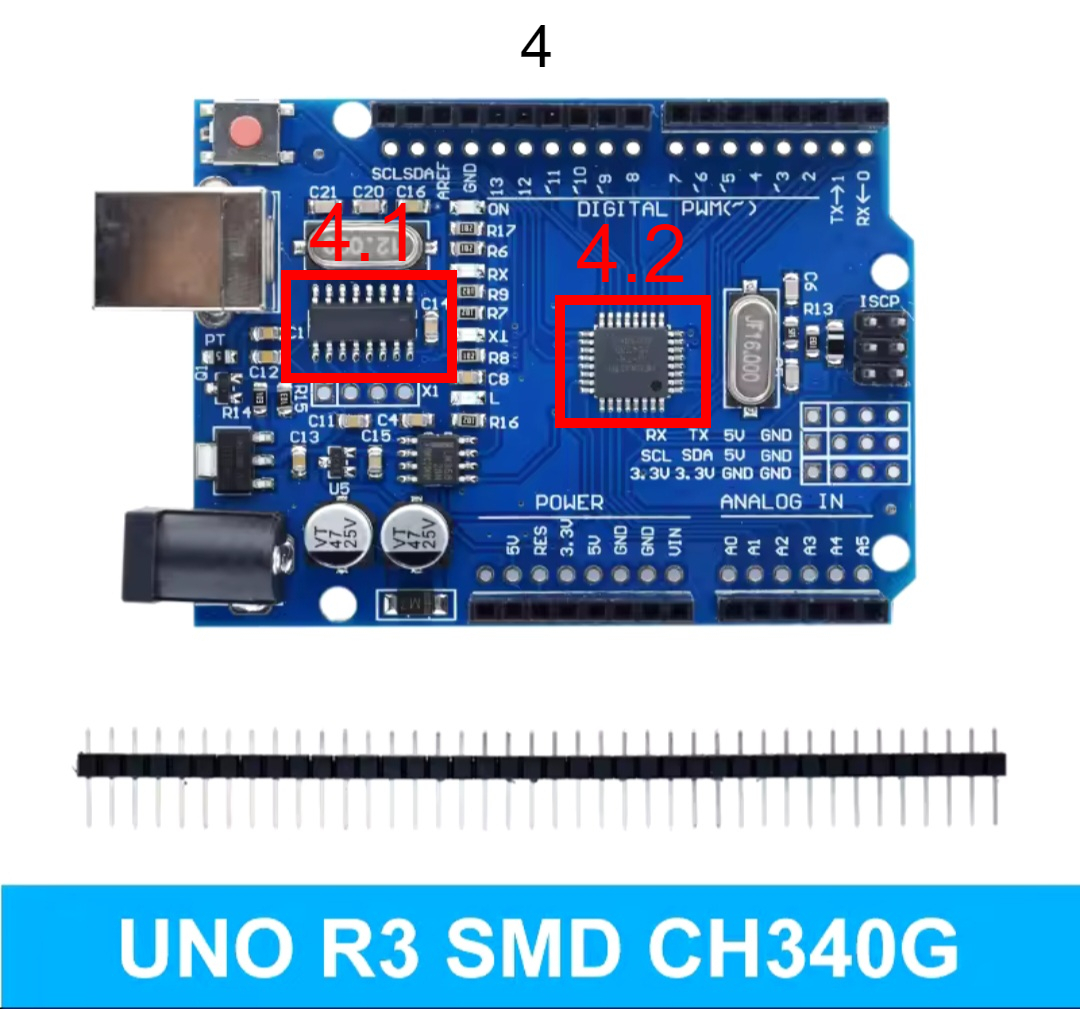
In this post, we'll explore the various Arduino Uno development boards available on the market. While they may differ slightly in specifications, their real-world applications are largely similar. We'll take a closer look at these four specific development boards.
Serial Interface:
| ATmega16U2 (Square 1.1 and 2.1): | |
|---|
| The ATmega16U2 is indeed a common USB-to-serial converter chip used in many Arduino boards, including the original Arduino Uno. It's known for its reliability and flexibility because it can be reprogrammed to emulate different types of USB devices (e.g., keyboard, mouse, MIDI device). | 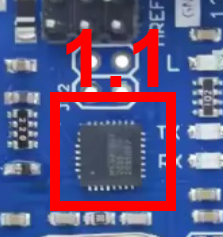 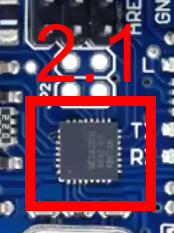 |
| CH340G or other 3-rd party (Square 3.1 and 4.1): | |
|---|
| The CH340G is a popular alternative USB-to-serial converter chip used in many clone Arduino boards due to its cost-effectiveness. Historically, it required manual driver installation on some operating systems, but most modern systems now include these drivers by default. While there were early reports of unreliability, this has improved over time. | 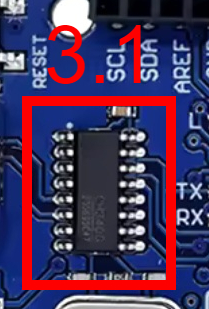 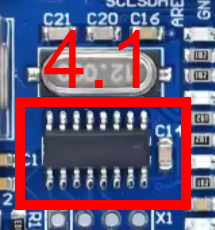 |
| DIP (Dual In-line Package) ATmega328 (Square 1.2 and 3.2): | |
|---|
| The DIP version of the ATmega328 is indeed socketed on some Arduino boards, allowing for easy removal and replacement. This form factor is common in educational kits and prototyping environments. | 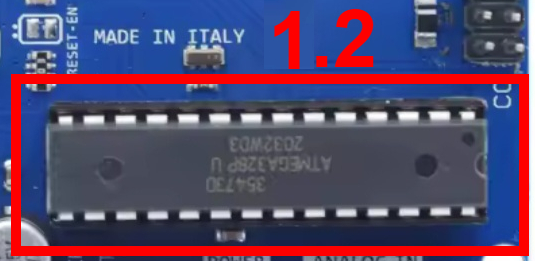 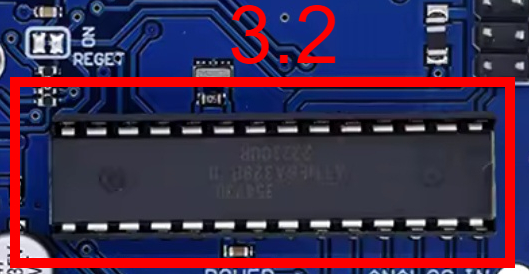 |
| SMD (Surface-Mount Device) ATmega328 (Square 2.2 and 4.2): | |
|---|
| The SMD version of the ATmega328 is soldered directly onto the board, making it more compact but less accessible for replacement or upgrades. This form factor is typical in mass-produced boards where space efficiency is a priority. | 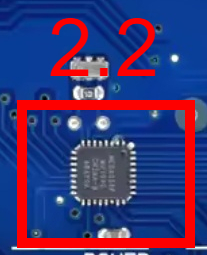 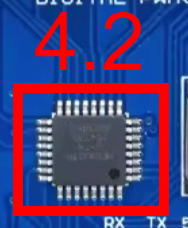 |
Additional Pins:
- Some development boards include extra pins that are duplicates of existing ones, often to provide easier access for prototyping. These additional pins do not typically affect the functionality unless specific use cases require them.
When choosing a board, consider factors like ease of programming (driver support), form factor preferences (DIP vs. SMD), and any specific project requirements that might necessitate certain features or pin configurations.